
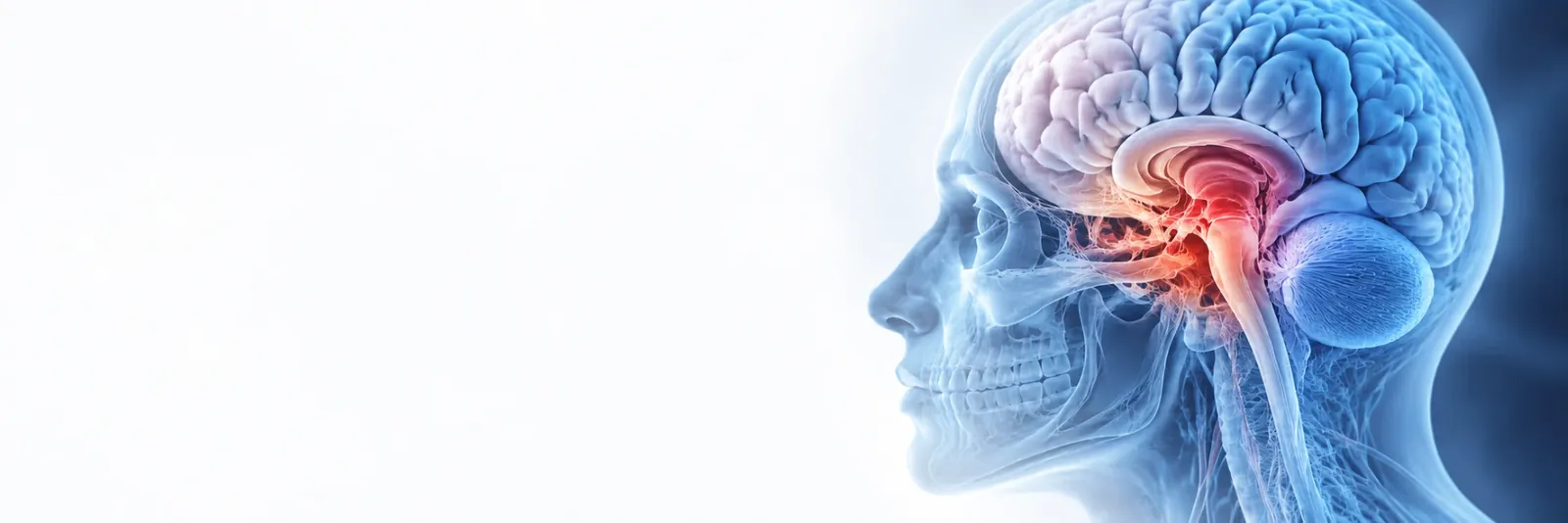
The pituitary gland sits at the centre of the head, just below the optic nerves, and controls many of the body’s hormones. Tumours here can press on the nerves that carry sight or disturb the hormones. Surgery aims to relieve that pressure and bring hormone levels back towards normal, most often through the nose with no external cut.
Who it may help
- A pituitary tumour that is pressing on the eye nerves
- A hormone-producing tumour causing, for example, acromegaly, Cushing’s disease or infertility that does not settle with medicines
- A tumour that keeps growing or has come back
- A craniopharyngioma, Rathke’s cleft cyst or a meningioma near the pituitary
- Sudden severe headache with visual loss or vomiting, which can be bleeding into a pituitary tumour (needs urgent attention)
Conditions treated
- Pituitary adenomas, both hormone-producing and non-functioning
- Craniopharyngiomas
- Rathke’s cleft cysts
- Meningiomas around the pituitary
- Tuberculum sellae tumours
- Pituitary apoplexy
How the surgery is done
- Access An endoscope is passed through the nostril, with no external cut.
- Reaching the gland The sphenoid sinus is opened to give a direct route to the pituitary.
- Removal Angled scopes and fine instruments take out the tumour while protecting the gland and nerves.
- Repair and checks A graft is used if needed to seal the area. Hormone tests and scans follow.
Before the procedure
- Hormone blood tests
- MRI of the pituitary region, often with contrast
- Eye examination including visual fields
- Review by an endocrinologist
- Anaesthesia fitness check
Recovery: what to expect
- A hospital stay of about 2 to 4 days.
- Mild nasal blockage rather than pain.
- An endocrine review at about 2 weeks.
- Return to work often within 2 to 3 weeks.
- MRI at about 3 and 6 months, then once a year.
These are typical timings. Your own plan depends on your condition, your general health and the operation chosen, and Dr. Chakraborty will go through it with you.
Risks to know about
Every operation carries risk. The ones most relevant here are:
- Temporary or permanent need for hormone replacement
- Leak of brain fluid, which may need a repair
- Diabetes insipidus (passing a lot of urine) for a short time, or sometimes longer
- Nasal crusting or sinus infection
- Rarely, damage to vision or bleeding
Your own risks depend on your health and your scans, and are explained in detail before you decide on anything.
Common questions
Will I need hormone tablets afterwards?
Some people need them temporarily and a few need them for life. The endocrine team will guide you using your blood tests.
Is there a scar?
No. The operation is done entirely through the nose.
How soon will my vision improve?
If vision was affected by pressure, improvement can start within days to weeks, though it depends on how long the nerves were compressed.
Is it suitable for older people?
Often, yes, with careful planning and checking of general health before surgery.
This page is general information to help you prepare for a consultation. It is not medical advice and does not replace an examination. Every plan is made for the individual patient.