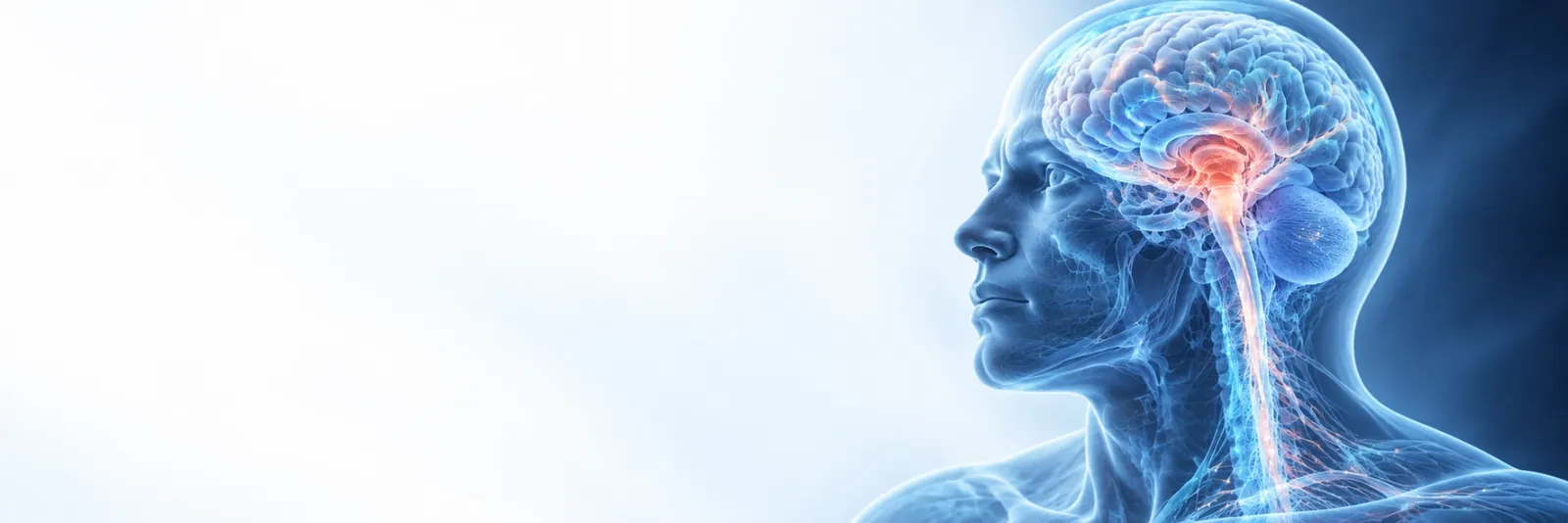
Deep brain stimulation is a surgical treatment for movement disorders. Fine electrodes are placed in a specific area of the brain and connected to a small pulse generator, like a pacemaker, under the skin of the chest. Gentle electrical pulses adjust the faulty signals that cause tremor, stiffness and involuntary movements. The settings can be changed from outside after surgery, and the system can be switched off.
Who it may help
- Parkinson’s disease with motor fluctuations, “wearing-off”, or troublesome involuntary movements (dyskinesia)
- Essential tremor that interferes with daily tasks despite medicines
- Dystonia
- Medicine side effects, such as hallucinations or marked ups and downs
- A neurologist who has assessed you and considers DBS suitable
Conditions treated
- Parkinson’s disease
- Essential tremor
- Primary and secondary dystonia
- Selected cases of Tourette syndrome
- Carefully selected cases of other parkinsonian syndromes
How DBS works
- Target Electrodes are placed in a precise area such as the subthalamic nucleus, globus pallidus or the VIM nucleus of the thalamus, chosen for the symptoms being treated.
- Pulse generator A small battery unit is placed under the skin of the chest and connected to the electrodes.
- Programming The stimulation is adjusted from outside over several visits to get the best effect.
- Adjustable Settings can be changed, or the device turned off, if needed.
Before the procedure
- A thorough neurology assessment, often including a levodopa response test
- MRI and a planning CT scan of the brain
- Memory and thinking (neuropsychological) assessment
- A medical fitness check
- Detailed counselling on benefits, limits and risks
Recovery: what to expect
- A hospital stay of about 3 to 5 days.
- Programming usually starts 2 to 3 weeks after surgery.
- Several adjustment sessions over the first one to three months.
- Medicines are reduced only after stimulation is optimised.
- Rehabilitation to help retrain movement, if needed.
- Non-rechargeable batteries typically last several years and rechargeable ones longer; the generator is replaced in a small procedure.
These are typical timings. Your own plan depends on your condition, your general health and the operation chosen, and Dr. Chakraborty will go through it with you.
Risks to know about
Every operation carries risk. The ones most relevant here are:
- Bleeding in the brain, or infection of the implant
- Speech, balance or mood changes related to stimulation, which can often be adjusted
- Hardware problems such as lead movement or skin erosion over the device
- Limited benefit for some symptoms, such as gait freezing or speech problems that do not respond to medicines
Your own risks depend on your health and your scans, and are explained in detail before you decide on anything.
Common questions
Does DBS cure Parkinson’s disease?
No. It does not stop the disease, but it can reduce tremor, stiffness and medicine side effects and improve quality of life.
Is DBS safe?
It is an established treatment, but any brain surgery has risks. These are explained before you decide.
How long does the device last?
Non-rechargeable devices usually last several years. Rechargeable ones last longer but need regular charging.
Will I stop my medicines?
Many people can reduce them. Stopping completely is uncommon.
This page is general information to help you prepare for a consultation. It is not medical advice and does not replace an examination. Every plan is made for the individual patient.